Shockwave Therapy in Newmarket
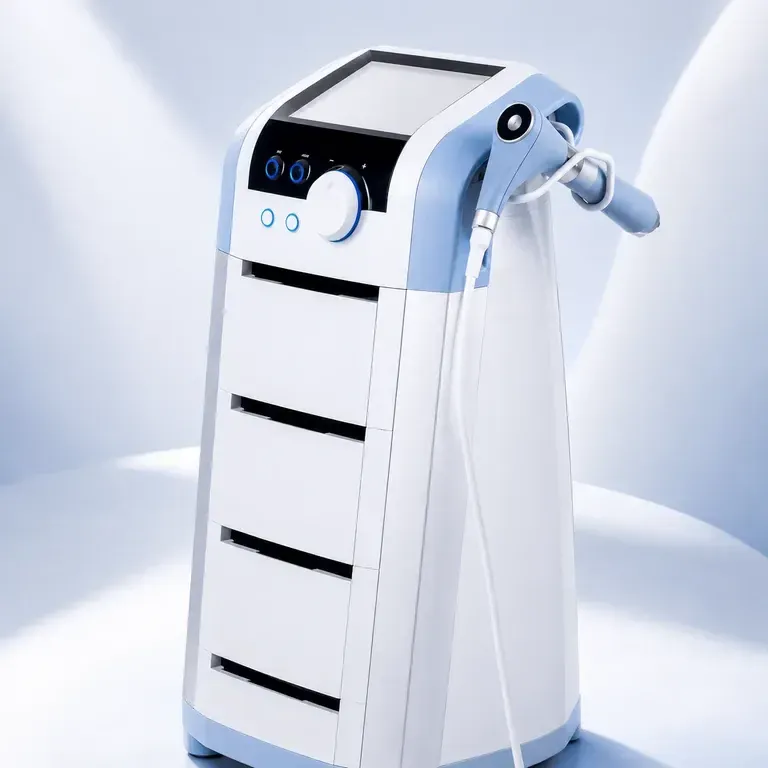
Shockwave therapy uses acoustic pressure waves and may be considered for selected persistent tendon and musculoskeletal conditions. At Protouch Physio and Rehab, shockwave therapy is offered only after an assessment and is normally combined with education, load management and progressive exercise—not presented as a stand-alone cure.
No Separate Shockwave Fee
When clinically appropriate, shockwave therapy is included as part of your regular physiotherapy treatment at Protouch—with no additional shockwave charge. Your regular physiotherapy appointment fee still applies.
Assessment-led care
Shockwave therapy is considered only when it fits your assessment and rehabilitation plan.
What is shockwave therapy?
Shockwave therapy is a non-invasive treatment that delivers controlled acoustic pressure waves to a selected area of the body. It may be considered when a tendon or other musculoskeletal condition remains painful and limits work, walking, exercise or sport.
The treatment does not diagnose the cause of pain, repair every injured tissue or replace rehabilitation. A physiotherapy assessment is required to determine whether the symptoms appear suitable for shockwave therapy and whether medical investigation or another treatment approach may be more appropriate.
Conditions for which it may be considered
After assessment, shockwave therapy may be discussed for selected persistent presentations such as:
- Plantar heel pain or plantar fasciitis
- Achilles tendinopathy
- Patellar tendinopathy
- Rotator cuff-related shoulder pain
- Lateral elbow tendinopathy, commonly called tennis elbow
- Medial elbow tendinopathy, commonly called golfer’s elbow
- Selected persistent tendon or soft-tissue pain
- Certain sport- or work-related overuse presentations
These conditions can have different causes and stages. The presence of pain in one of these areas does not automatically mean that shockwave therapy is appropriate.
How assessment guides treatment
Before treatment, the physiotherapist will ask about the onset and behaviour of your symptoms, relevant health conditions, medications, previous treatment, work or sport demands and your recovery goals.
The physical examination may include range of motion, strength, local tissue response, functional movement and tolerance to loading. The clinician will also screen for findings that require medical referral or make shockwave therapy unsuitable.
If shockwave therapy is appropriate, the reason for recommending it, available alternatives, expected sensations, possible temporary reactions and the role of active rehabilitation will be explained before consent is obtained.
What to expect during treatment
A handheld applicator is positioned over the selected treatment area. The intensity is adjusted according to the treatment location, clinical findings and individual tolerance.
Some people experience tapping, pressure or temporary discomfort during treatment. Temporary soreness, tenderness, redness or mild bruising may occur afterward. Patients should tell the clinician if the treatment becomes difficult to tolerate or if symptoms change unexpectedly.
Treatment frequency and the number of visits depend on the condition, examination findings and response. A fixed number of sessions cannot be promised.
Shockwave therapy and active rehabilitation
Shockwave therapy is generally used as one part of a broader rehabilitation program. Depending on the assessment, the plan may also include:
- Education and temporary load modification
- Progressive tendon or muscle loading
- Mobility and strengthening exercises
- Balance or movement retraining
- A graded return to walking, work, running or sport
- Review of training volume, recovery and aggravating activities
For tendon-related conditions, building the ability to tolerate meaningful load remains an important part of rehabilitation. Shockwave therapy should not replace an individualized exercise program when progressive loading is indicated.
When shockwave therapy may not be appropriate
Shockwave therapy is not appropriate for every patient or every painful condition. Additional screening or medical clearance may be required when there is:
- A suspected fracture or major acute tissue rupture
- An active infection, open wound or significant skin problem in the area
- A bleeding disorder or medication that affects bleeding
- Significant loss of sensation in the treatment area
- Known or suspected malignancy in the treatment region
- Pregnancy when the proposed treatment area raises a safety concern
- Unexplained severe pain or symptoms requiring medical investigation
- Another contraindication identified during the health history or examination
The physiotherapist will review relevant precautions, alternatives and consent before providing treatment.
Frequently asked questions
Is there an additional fee for shockwave therapy?
Is shockwave therapy painful?
How many shockwave therapy sessions will I need?
Does shockwave therapy replace exercise?
Can shockwave therapy heal a torn tendon?
Is shockwave therapy covered by insurance?
Do I need a referral?
Find Out Whether Shockwave Therapy Is Appropriate for You
Book a physiotherapy assessment to discuss your symptoms, activity goals and available treatment options. Your physiotherapist will determine whether shockwave therapy should be considered as part of an individualized rehabilitation plan.
17725 Yonge St #6, Newmarket, ON L3Y 7C1
Inside the medical building with walk-in clinic and pharmacy